
Medical devices for migraine can be powerful tools to add to your treatment toolbox, not as a last thought, but as a cornerstone treatment option! FDA-cleared devices provide non-invasive, drug-free treatment that targets brain pathways to help prevent, reduce, or stop symptoms of migraine attacks—all without the side effects that often accompany medications!
There are currently 6 FDA-cleared medical devices for migraine—Nerivio Infinity, Cefaly, HeadaTerm2, gammaCore, Relivion and SAVI Dual. Each works a little differently, by sending carefully controlled signals through specific nerves to change how the brain processes pain.
Get to know each of the devices and how they work on this resource hub, and consider adding one (or more!) to your migraine treatment toolbox.

Download our FREE medical device comparison guide to explore which device(s) may be best to try!
Understanding Migraine Devices


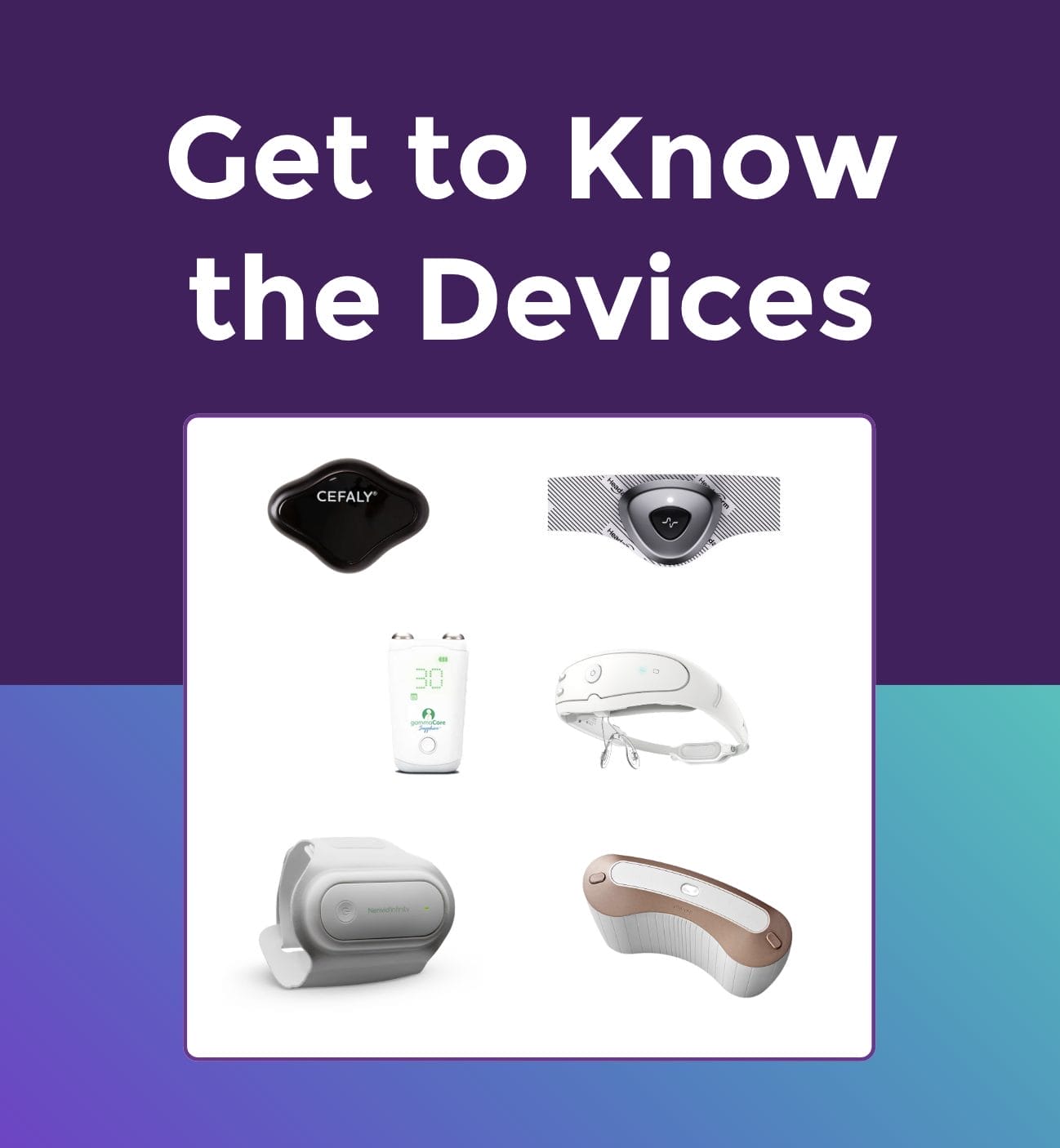
Watch Our Videos
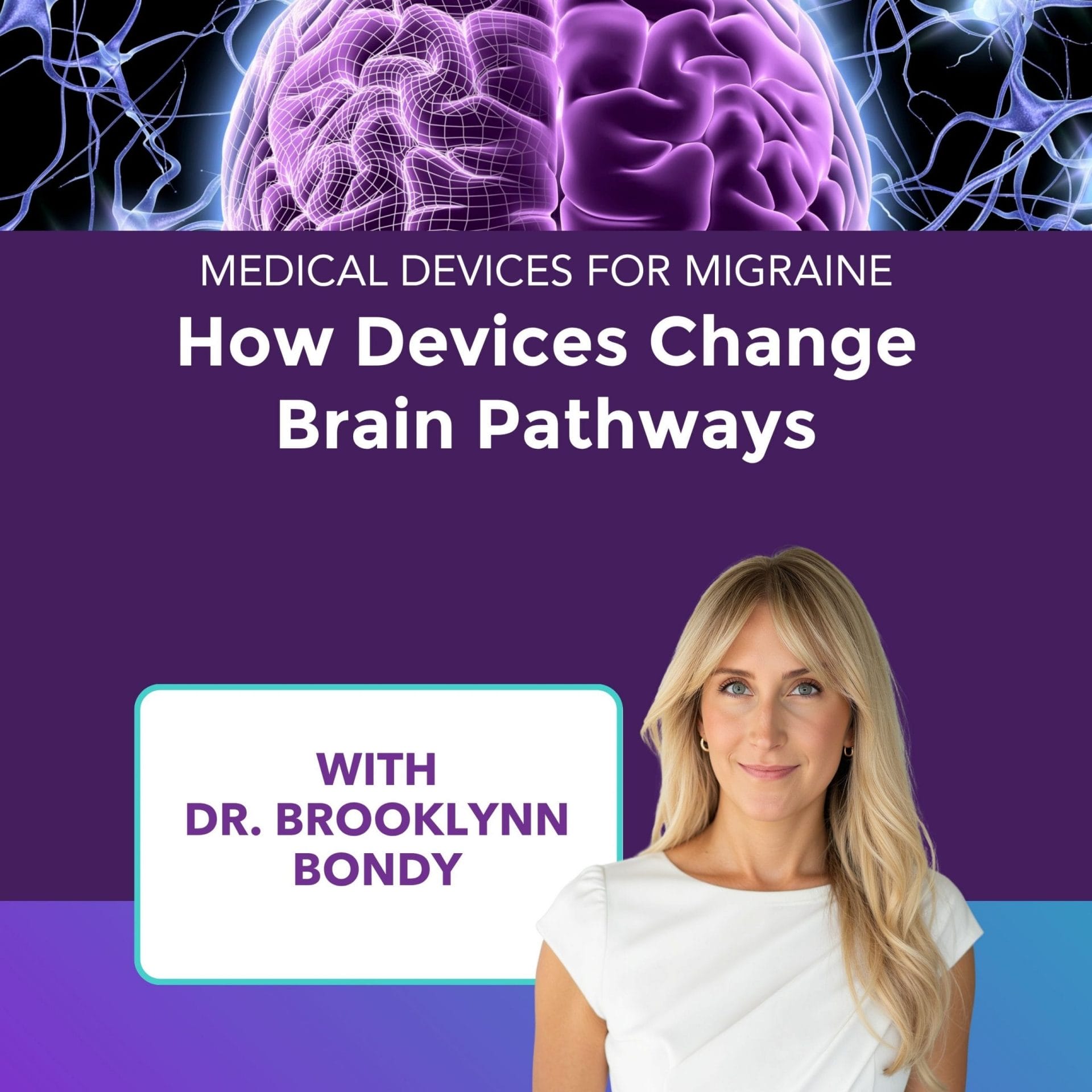


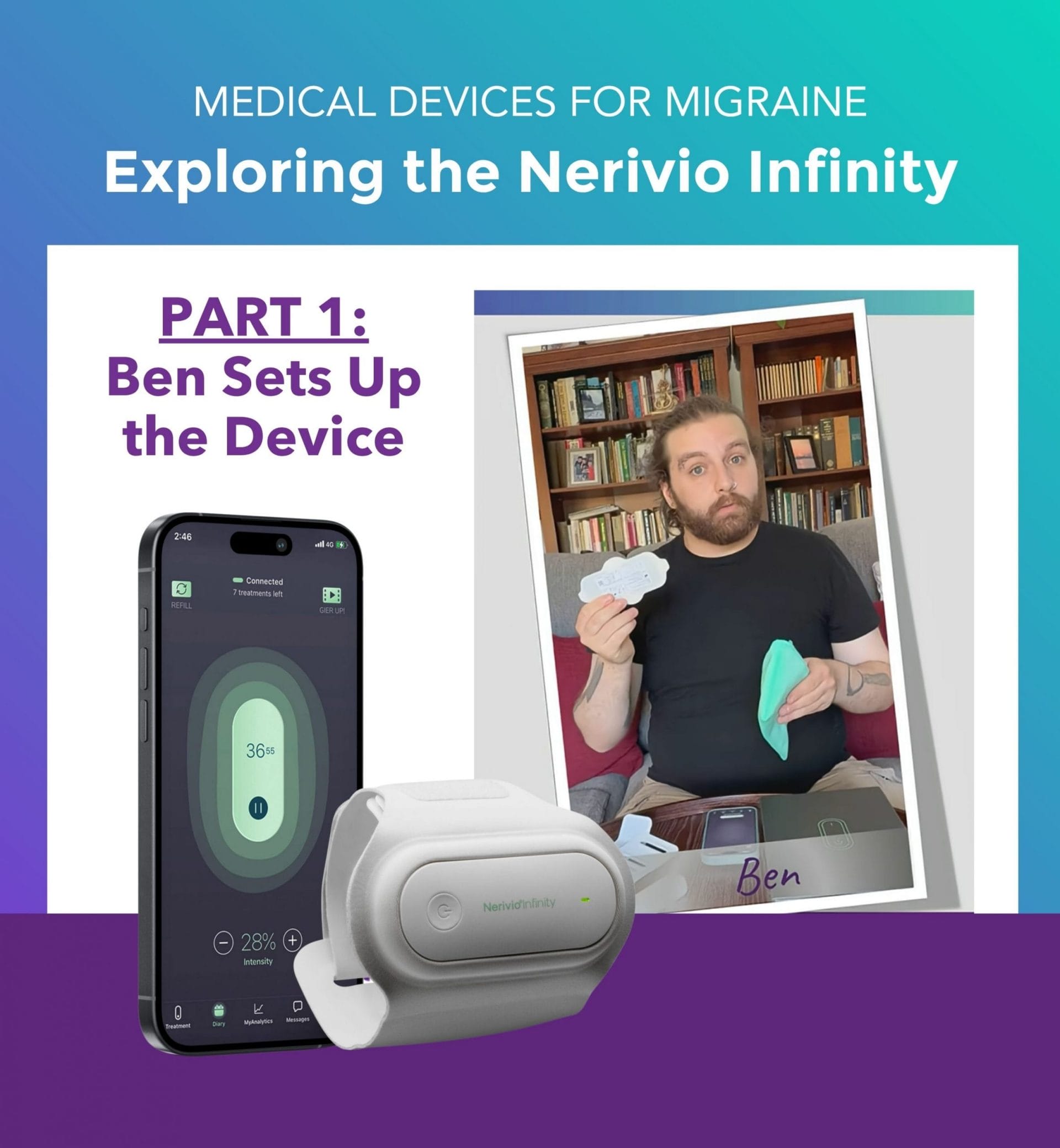
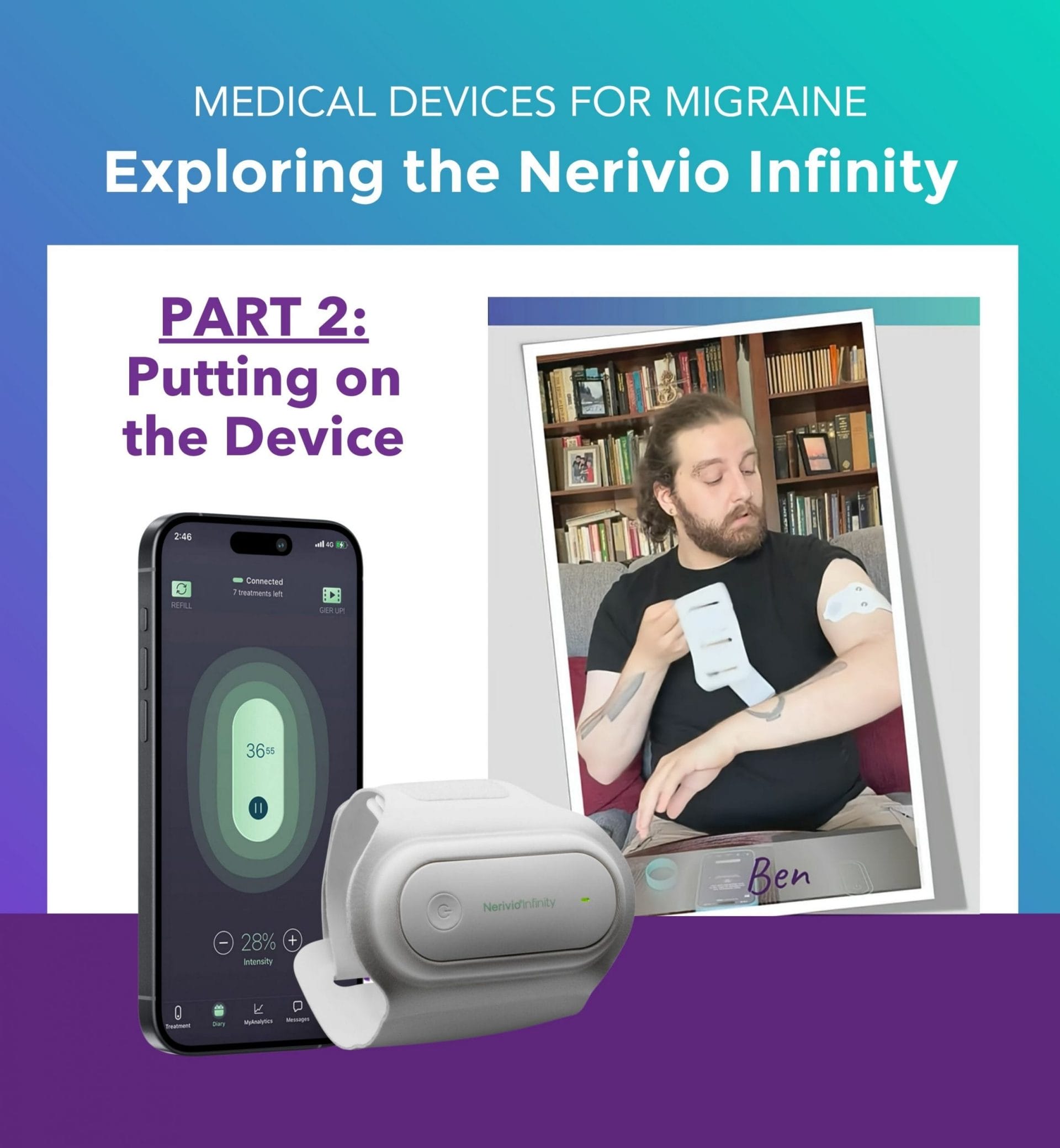
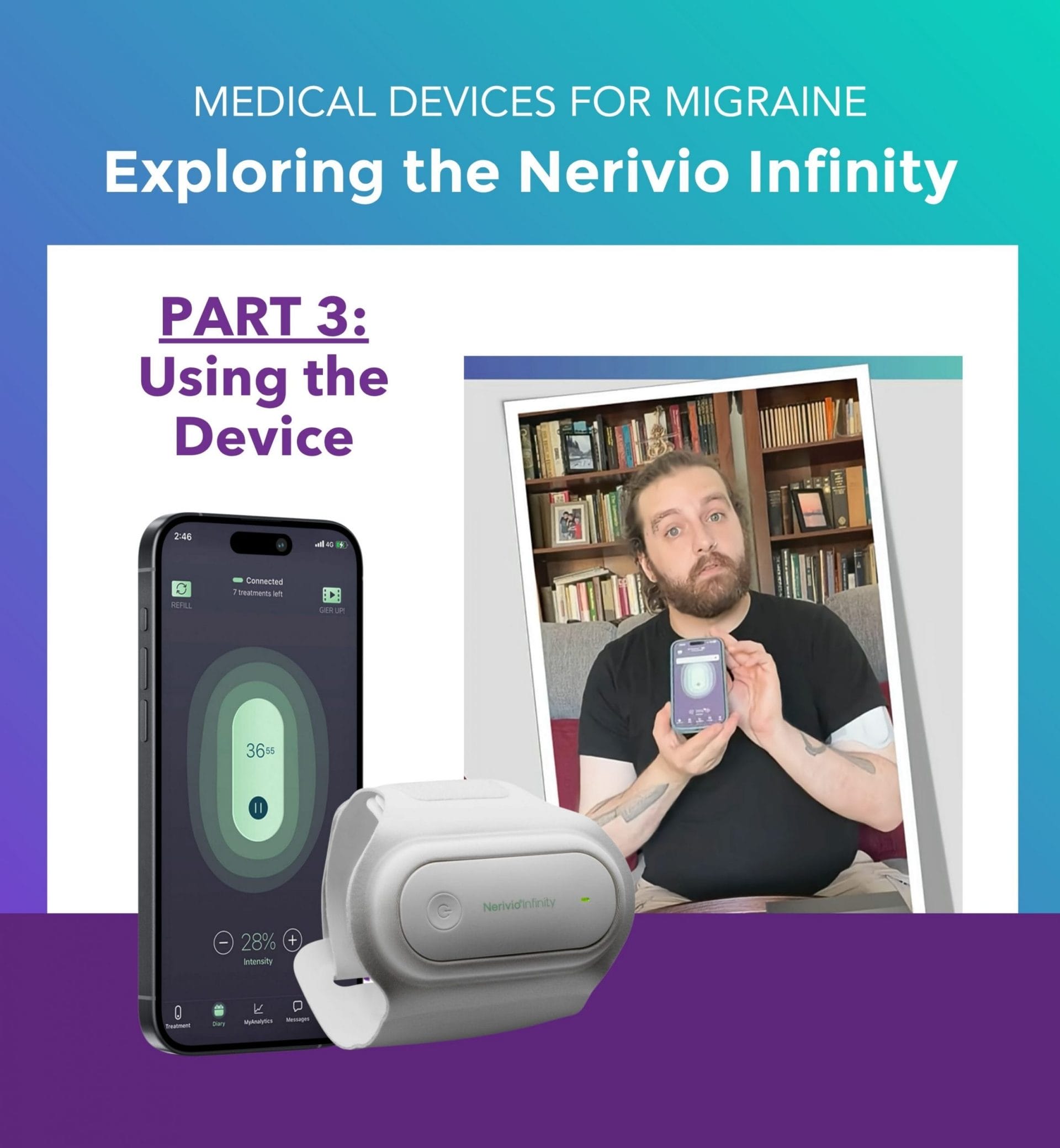
Real-Life Experience: Exploring Nerivio Infinity
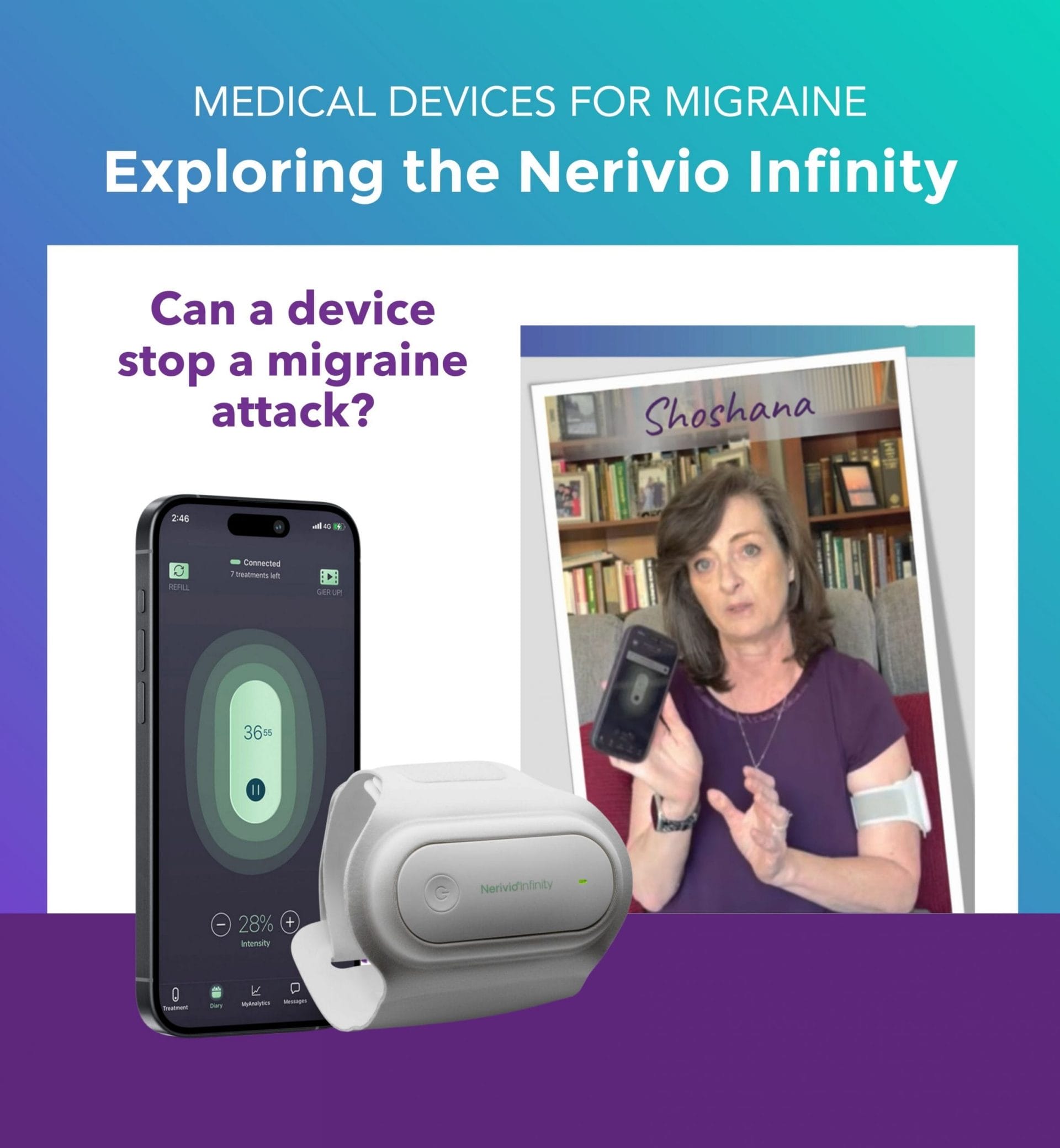
Shoshana: Trying Nerivio Infinity During an Attack
On the Blog



"Medical devices are so intriguing because they can actually change brain pathways. They really help to redirect the brain and harness your own body's power in getting control over your disease."
—Dr. Bondy
"Evidence‑based medical devices should not be a last resort in migraine care. They belong early in the treatment plan—especially for prevention—because there’s nothing to lose and so much to gain.”
– Alon Ironi, Theranica CEO
“Devices are an important part of my migraine toolbox. When used in combination with medication, they can almost always stop or lessen my migraine attacks."
—Jessica, Migraine Patient
Medical Devices FAQs
Answers from Dr. Bondy
About Dr. Bondy

Dr. Brooklynn Bondy is a board-certified neurologist and Mayo Clinic fellowship-trained headache specialist based in the greater Phoenix area. She founded Dr. Bondy Headache Center with a clear vision: to deliver care that is highly personal, comprehensive, and integrative—treating the whole person, not just the symptoms.
Her work is also deeply personal. Dr. Bondy herself lives with migraine, a journey that began with years of misdiagnosis as chronic sinusitis and allergies. She ultimately diagnosed her own condition while in medical school—a turning point that fuels her commitment to patients who have also spent years seeking answers.
Thanks to our industry partner, Theranica, for sponsoring this educational project!