
Young adults (ages 18-29) with migraine face a host of challenging obstacles in all aspects of their daily lives. Many feel they are “missing out” on life, and have been left behind by the healthcare system.
The burden of this disease combined with poor support takes a significant emotional toll. Increased anxiety, feelings of inadequacy, and a sense of being misunderstood were recurring themes throughout the study.
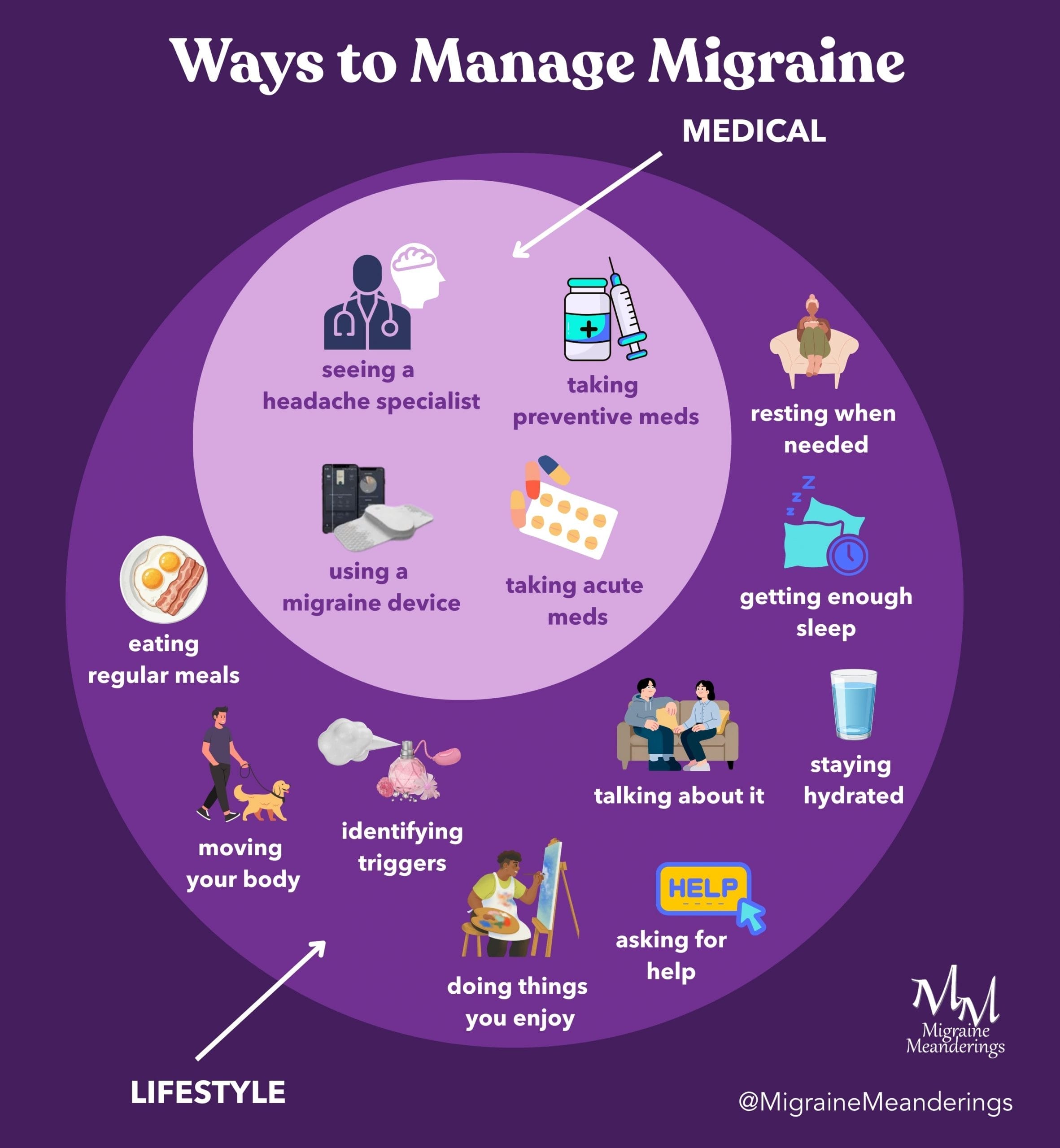
We hope the answers to the questions below shed some light on the struggles faced, and help guide migraine management.

Many thanks to Dr. Tanya Bilchik of Yale School of Medicine for help with this project and answers to questions.
Hear from Young Adults



Advice from Dr. Bilchik




Other Resources


"My goal with young adults is to catch migraine early and treat it aggressively, so you don’t become the 30‑year‑old who’s had headaches every day for years.
If we build the right plan now, we can often prevent chronic migraine altogether.”
—Tanya Bilchik, MD

Young Adults with Migraine
General Information
Treatment Options
Life Impact
Other Questions
About the Doctor
 Tanya Bilchik MD, FAHS is a board certified neurologist and headache specialist at Yale University School of medicine, department Neurology in New Haven CT.
She is a UCNS certified headache specialist and an assistant professor of Neurology in the division of headache medicine
She is involved in clinical trials, taking care of patients and teaching headache fellows. Prior to joining Yale in 2020 she was the director and founder of the Hartford headache Center in East Hartford Connecticut.
Over the last 30 years, she has been involved in many of the pivotal migraine trials including Triptans, topiramate, botulinum toxin and CGRP monoclonal antibodies.
Thank you to our industry partner, Pfizer, for supporting this educational project!