
Posts Tagged ‘migraine life’
Breaking the Silence: Understanding Migraine in Men

When most people think of migraine, they often picture a woman suffering from a severe headache. But did you know that 25% of people with migraine are men? That means in the U.S. alone, about 10 million men live with this often misunderstood and disabling disease. It’s time to break the silence around men and…
Read MoreOccipital Neuralgia and Facial Pain
While trigeminal neuralgia is the most common of the facial pain diagnoses, there are others that cause facial pain. Understanding the various pain sensations and how they arise can help patients have better conversations with healthcare providers and look at different treatment options to best address the symptoms. Of the conditions explored in this blog, occipital neuralgia is the most prevalent, which stems from a spinal nerve but causes pain to be experienced in the head.
Read MoreDepression And Anxiety During Migraine Attacks

Do you experience depression or anxiety symptoms during migraine attacks? There are 4 phases of a migraine attack, and our members have shared that they can feel depressed or anxious during the different phases. Migraine and depression are comorbid conditions, meaning they often exist together. However, the pain, isolation, and unpredictability that go along with…
Read MoreTrigeminal Neuralgia & Facial Pain
A Complex and Acutely Painful Condition Trigeminal neuralgia, while a rare disorder, is one of the more commonly heard of facial pain disorders. In 2021, “The Good Doctor” and “Chicago Med” both featured a patient with what is nicknamed “the suicide disease.” In both cases, they had successful microvascular decompression surgery performed, leaving many to…
Read MoreReady or Not, It’s Back to School Time with Migraine

Ready or not, it’s time to head back to school! This time tends to be a mixed bag of nerves and excitement as kids, teachers, and parents transition from the slower days of summer to the hectic schedules of the school year. For families who live with migraine, this time of the year brings added…
Read MoreMigraine, Gastroparesis, And The Brain-Gut Axis

Have you ever wondered about how your brain and gut interact during migraine attacks? Why do attacks often cause nausea or even vomiting? What does it mean to have “gastroparesis” during an attack? Why is that important to me? Does this impact trying to figure out the best way(s) to get my migraine attacks under…
Read More6 Tips for Heading Back to School with Migraine

It’s that time of year again! As students head back to school, it seems parents are scrambling to get their kids ready for the new school year. However, when your child lives with migraine, that scrambling can be challenging because there is so much more involved. In this video, Dr. Thomas Berk, certified headache specialist…
Read MoreIs Dehydration A Migraine Trigger?

Medically Reviewed by Dr. Lauren Natbony Has anyone ever said to you about your migraine attacks, “Just drink a glass of water”? When it comes to preventing, reducing, or stopping migraine symptoms, staying hydrated is always a top recommendation, but is it really as simple as just drinking water to stop your attacks? In this…
Read MoreSurviving Migraine at the Beach, Amusement Park, and on Overnight Stays

Summertime can be brutal on someone living with migraine. The heat, humidity, sunshine, and so much more can all trigger a migraine attack. When you combine the excitement of a summer vacation with the stress of traveling, you can have the perfect storm for a summer migraine. Here are 3 tips to help make your…
Read MoreMigraine Comorbidities: Cardiovascular Disorders And The Migraine Connection PART 1
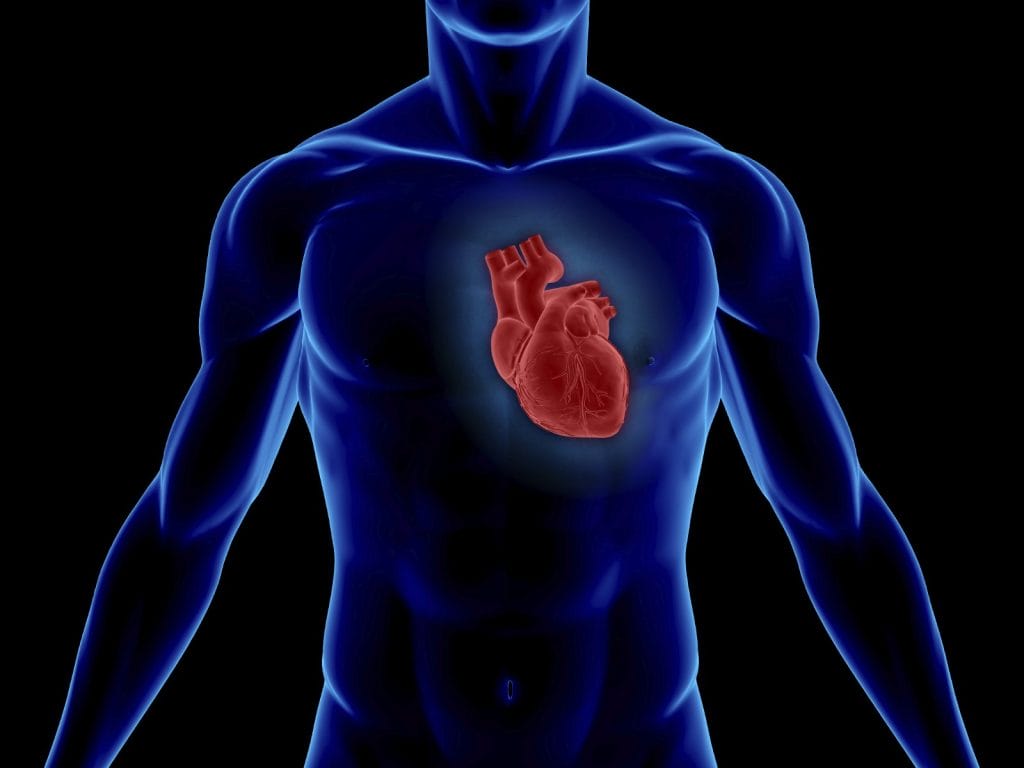
The comorbid connection between migraine and cardiovascular disorders has been established for many decades. For example, we know that people who experience migraine with aura are about twice as likely to have an ischemic stroke,[1] and many people with migraine experience palpitations and other cardiovascular symptoms, especially during attacks. To complicate matters, some types of migraine (e.g. hemiplegic) have similar symptoms to a stroke, such as disorientation, vision changes, vertigo, and speech changes.
Read MoreMigraine Comorbidities: Heart Health and Women With Migraine PART 2

The comorbid connection between migraine and cardiovascular disorders has been established for many decades. For example, we know that people who experience migraine with aura are about twice as likely to have an ischemic stroke,[1] and many people with migraine experience palpitations and other cardiovascular symptoms, especially during attacks. To complicate matters, some types of migraine (e.g. hemiplegic) have similar symptoms to a stroke, such as disorientation, vision changes, vertigo, and speech changes.
Read MoreNew Year’s Resolutions for a Migraine Warrior

How are you going into the New Year with migraine? New Year’s Resolutions for a Migraine Warrior I will mindfully be kind to myself and rest when my body says I need to – even when that means “extreme self-care“! I will mindfully let go of guilt for the things I can’t do, places I…
Read More